
Best Practices
4 min read
Mobile Survey Optimization: Designing for the Small Screen
Over 60% of survey responses now come from mobile devices. Learn how to optimize your surveys for mobile-first experiences that boost completion rates.

Data Science & Analytics
The Claform data team specializes in survey analytics, statistical analysis, and turning data into actionable insights.
4 articles
Over 60% of survey responses now come from mobile devices. Learn how to optimize your surveys for mobile-first experiences that boost completion rates.

Should you offer incentives for survey completion? Learn the pros, cons, and best practices for using rewards to boost response rates.

Navigate GDPR requirements for survey research. Learn about consent, data retention, respondent rights, and building compliant survey programs.
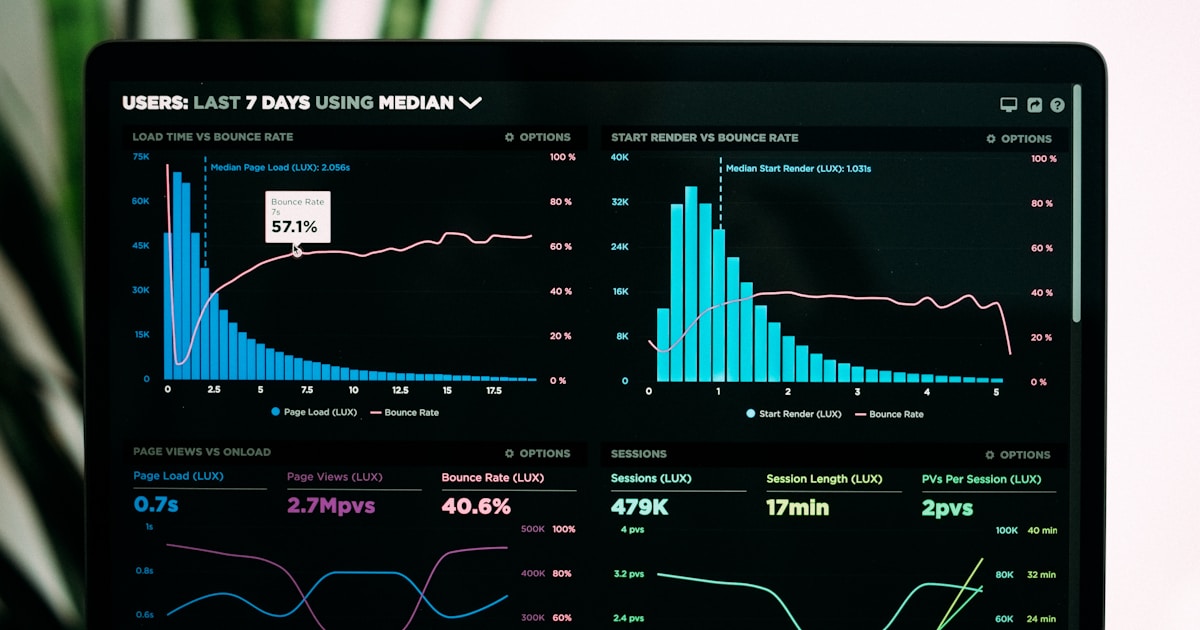
Master the art and science of survey data analysis. Learn statistical techniques, visualization best practices, and how to turn numbers into narratives.
2 guides & tutorials
Learn how to benchmark your survey results against industry standards. Understand what good looks like for NPS, CSAT, CES and response rates.
Discover how AI transforms survey analysis. Learn to use sentiment analysis, theme extraction, and automated insights to unlock the full value of your feedback data.
2 survey templates

Understand why customers leave. Gather insights on cancellation reasons, competitive factors, and win-back opportunities.

Comprehensive market research survey for understanding your target audience, competitive landscape, and market opportunities. Includes demographic, behavioral, and preference questions.
11 definitions
A standard or point of reference used to compare survey results against industry averages or past performance.
The percentage of customers who stop using a product or service during a given time period, indicating customer retention health.
A statistical method for analyzing the relationship between two or more categorical variables by displaying their frequency distributions in a table.
The process of dividing survey data into distinct groups based on shared characteristics for deeper analysis.
A survey question that asks about two or more topics simultaneously, making it impossible to give an accurate single answer.
A statistical measure that indicates the range within which the true population value is likely to fall.
A systematic tendency for respondents to answer questions inaccurately due to social pressure, question design, or personal factors.
The percentage of people who complete a survey out of the total number who received or were invited to take it.
The number of respondents included in a survey or research study, which affects the reliability and accuracy of results.
The use of natural language processing to automatically identify and categorize opinions in text as positive, negative, or neutral.
A response pattern where respondents select the same answer for every item in a series, often indicating disengagement.